The importance of resilience after trauma and loss
"Grief is at its core the loss of an imagined future" said Dr. Megan Shen, a social psychologist and researcher, during a TEDx talk in 2026. Dr. Shen has spent her career helping individuals, teams, and organizations find hope, resilience during life's most difficult moments. Whether you experience the death of a loved one, or a dramatic change in your life, grief is the natural response, and unfortunately the cost of being human.
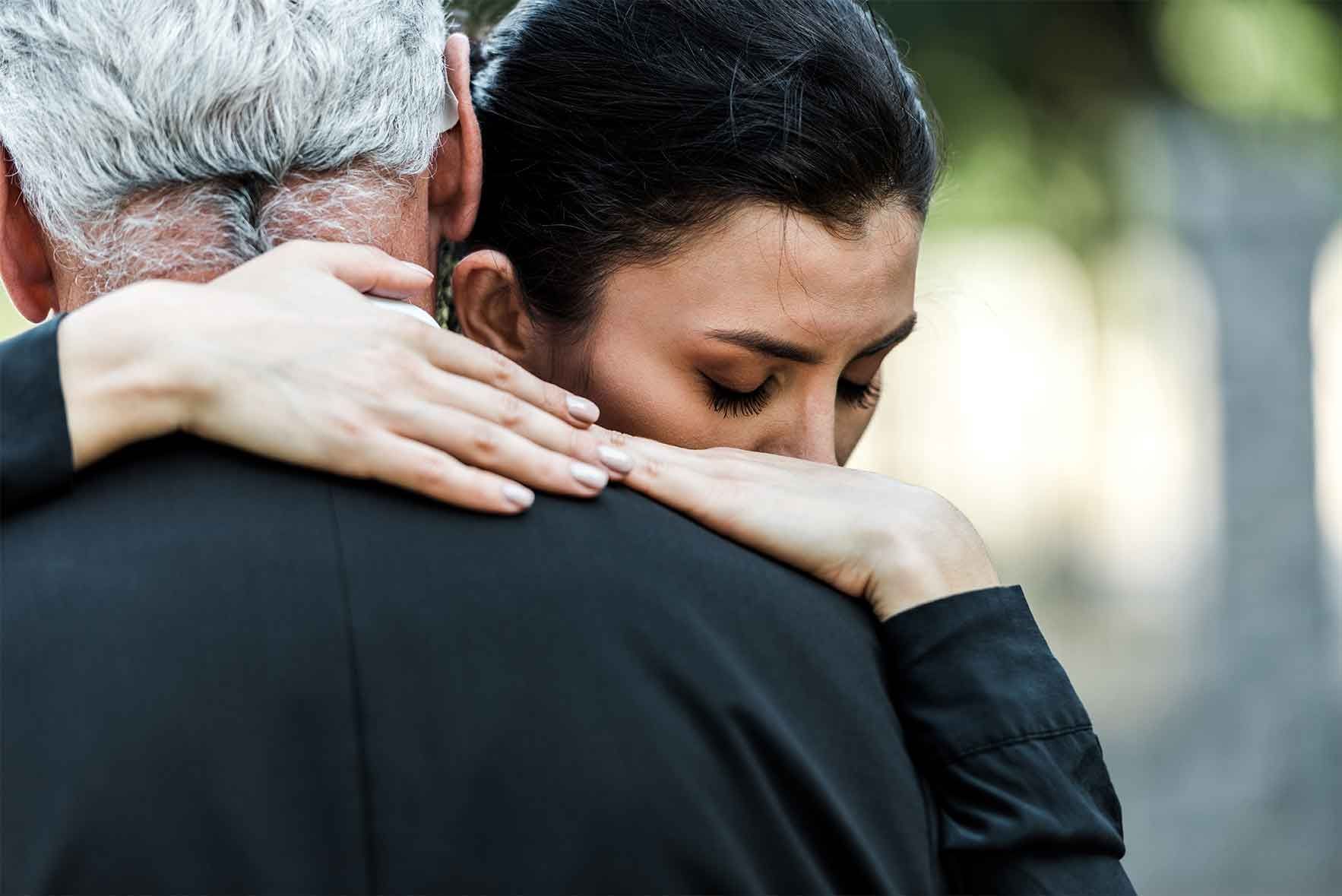
When a traumatic event or the death of someone we love enters our lives, the world can feel suddenly unrecognizable. Routines lose their meaning, the future feels uncertain, and even simple tasks can seem overwhelming. In these moments, resilience becomes one of the most valuable tools a person can draw upon.
What resilience really means
Resilience is often misunderstood. It does not mean being unaffected by pain, staying strong at all times, or “bouncing back” as though nothing happened. Rather, resilience is the capacity to adapt to hardship, to absorb the impact of a painful experience, and to gradually find a way forward while carrying the loss with you. Grieving deeply and being resilient are not opposites. In fact, they often go hand in hand.
Why it matters
Trauma and bereavement can affect every part of life: emotional health, physical well-being, relationships, work, and sense of purpose. Without ways to cope and adapt, people may become stuck in prolonged distress, withdraw from those who care about them, or turn to unhealthy habits to numb the pain. Resilience offers a counterweight. It helps people process difficult emotions rather than avoid them, maintain a sense of agency when life feels out of control, and protect their long-term mental and physical health.
Research on grief and trauma consistently shows that most people possess more capacity to recover than they realize. Many eventually experience what psychologists call post-traumatic growth: a deeper appreciation for life, stronger relationships, a clearer sense of values, or a renewed sense of purpose that emerged from suffering. Growth does not erase the pain, but it can give it meaning.
How resilience is built
Resilience is not a fixed trait that some people are born with and others lack. It can be nurtured through everyday choices and supportive relationships.
Lean on connection. Social support is among the strongest predictors of recovery. Sharing feelings with trusted friends, family, faith communities, or support groups reminds us that we are not alone.
Care for the body. Sleep, nutrition, movement, and time outdoors may seem small, but they steady the nervous system and give us energy to cope.
Allow all emotions. Sadness, anger, guilt, numbness, and even moments of laughter are normal responses. Suppressing feelings tends to prolong suffering, while acknowledging them helps them move through.
Create small anchors. Maintaining simple routines, setting modest daily goals, and honoring a loved one through rituals or memorials can restore a sense of stability and continuity.
Seek professional help. Therapists and grief counselors offer tools tailored to individual needs. Reaching out is not a sign of weakness; it is a resilient act in itself.
Patience with the process
Healing is not a linear process. There will be good days followed by difficult ones, and anniversaries or reminders can bring waves of emotion back unexpectedly. Resilience means returning to self-compassion each time, treating yourself with the same kindness you would offer a grieving friend.
Moving forward, not moving on
Ultimately, resilience is not about forgetting or “getting over” what happened. It is about building a life that can hold both sorrow and hope. For those facing trauma or the death of a loved one, cultivating resilience is an act of care for oneself and for the memory of those we have lost. With time, support, and patience, it makes it possible to move forward, carrying love and loss together.